Monday, January 22, 2007

Sunday, January 21, 2007
how are you today?
the austrian remainings of the ATTAC movement complain about the decreasing opportunities for citizens to express their opinions. "attac finded das schon lange verheerend" ("attac thinks that´s awful"), and so they have installed an "act now" section in their homepage, giving visitors the possibility of sharing their thoughts on a variety of topics.
well, "variety" may be the wrong word. "insufficient variety" seems better. the only two questions asked are "how are you today?" (68.8% are doing great) and, for people who are not overchallenged already, "how do you like our new homepage?".
another world is possible.
well, "variety" may be the wrong word. "insufficient variety" seems better. the only two questions asked are "how are you today?" (68.8% are doing great) and, for people who are not overchallenged already, "how do you like our new homepage?".
another world is possible.
Sunday, December 31, 2006
Wednesday, December 13, 2006
Anti-fair trade mit gutem Gewissen
Im "Economist", Ausgabe December 9th-15th, lautet die Schlagzeile: "Good food? Why ethical shopping harms the world". Argumentiert wird mit klassisch liberalen Prinzipien, kurz gesagt: "Only free trade is fair trade".
Konkret werden drei Aspekte unserer derzeitigen Einkaufskultur kritisiert. Zum einen wäre da der Hang, "biologische" Produkte zu kaufen. Zum zweiten sollen die Produkte im Einkaufskorb am besten "zu fairen Bedingungen", also "fair trade", hergestellt sein. Schließlich wird auch Wert darauf gelegt, so "lokal wie möglich" einzukaufen, also am besten direkt vom Bauern am Rande der Stadt. Das klingt super und damit soll die Welt durch unser Kaufverhalten besser werden. Warum schreibt der "Economist" dann: "If you think you can save the planet by buying ethical food, think again"?
1. Probleme mit Bionahrung
Die Herstellung von "biologisch einwandfreier" Nahrung, also ohne Verwendung von Pestiziden usw. ist sehr "raumintensiv", dh es besteht schlicht nicht genug Platz, unsere gesamte Nahrung in dieser Weise herzustellen. Durch die Verwendung von Düngern etc. ist es möglich, das gleiche Stück Land ständig zu bewirtschaften. So ist es auch der "Green Revolution" aus den 1960er Jahren zu verdanken, dass zwar die Produktionsquote von Nahrung seit den 50ern verdreifacht wurde, dafür aber nur 10% mehr Landfläche vonnöten ist! Man kann auch sagen: wer bio-food kauft, unterstützt die Abholzung von Regenwald, weil irgendwo muss der Platz ja herkommen. Übrigens gibt es keine Studien darüber, dass Bioessen gesünder oder höherwertiger wäre, als konventionell hergestellte Nahrung, solange gewisse Regeln beachtet werden.
2. Probleme mit "Fair Trade"
Die Idee hinter "Fair Trade" ist folgende: Der Konsument ist bereit einen höheren Preis als den Marktpreis für ein Produkt zu bezahlen. Die Differenz kommt, theoretisch, direkt den Erzeugern zu Gute. Sie bekommen mehr Geld für die gleiche Arbeit, werden also "fairer" entlohnt. Der "Ungerechtigkeit der niedrigen Preise" soll so entgegengewirkt werden. Dahinter versteckt sich klassischer Protektionsimus, die Selbstregulierungsfunktion des Marktes wird ausgehebelt. Es ist einfach: Die Nachfrage bestimmt das Angebot und den Preis. Niedrige Preise sind Zeichen dafür, dass es schon zu viel von einem Produkt auf dem Markt gibt. Nehmen wir unsere Milchbauern und ihre "A Faire Milch", die es seit kurzem zu erstehen gibt. Würde man den Gesetzen des freien Marktes folgen, wären viele Milchbauern gezwungen, in andere, ertragreichere Bereiche als jener der Milchproduktion zu investieren. Durch die subventionierte Milch kommt dieses Signal nur ungenügend an, sie verharren in der Milchproduktion. Darüber hinaus werden andere Bauern animiert, noch mehr "Fair Trade" Milch zu produzieren, weil sich damit ja mehr Geld machen lässt, als eigentlich vorgesehen. Jene Bauern, die konventionell Milch erzeugen und die große Mehrheit darstellen, haben es dadurch noch schwerer. Sie verdienen weniger als zuvor, gleichzeitig wird der Vielfältigkeit ein Riegel vorgeschoben, da sich alle auf subventionierte Bereiche stürzen.
Dasselbe gilt für Kaffee: es ist nicht so einfach, als Produzent "Fair Trade" Status zu erlangen und so schauen zum Beispiel ausnahmslos alle Plantagenarbeiter durch die Finger. Kaffeeplantagen im großen Stil entsprechen nämlich nicht den Fair Trade Kriterien.
3. Probleme mit lokaler Produktion
Viele ehemalige Fair Trade Befürworter haben die Probleme erkannt und sagen: "Buying direct means producers get a fair price, with no middlemen adding big margins along the distribution chain." Außerdem muss die Nahrung nicht um die halbe Welt geliefert werden, man spart also an "food miles" (jener Weg, den ein Produkt von seiner Entstehung bis zum Endkonsumenten zurück legt). Das größte Problem liegt darin, festzustellen, wo denn ein Produkt am besten und umweltfreundlichsten hergestellt werden kann. Es ist klüger, Tomaten aus Spanien zu importieren als diese in einem britischen Gewächshaus über den Winter zu züchten. So verhält es sich mit vielen Produkten. Außerdem ist das Zuliefersystem der Supermärkte mittlerweile äußerst effizient. "Another surprising finding was that a shift towards a local food system, and away from a supermarket-based food system, with its central distribution depots, lean supply chains and big, full trucks, might actually increase the number of food-vehicle miles being travelled locally, because things would move around in a larger number of smaller, less efficiently packed vehicles."
Die Revolution durch Fair Trade - sie wird wohl nicht passieren.
Konkret werden drei Aspekte unserer derzeitigen Einkaufskultur kritisiert. Zum einen wäre da der Hang, "biologische" Produkte zu kaufen. Zum zweiten sollen die Produkte im Einkaufskorb am besten "zu fairen Bedingungen", also "fair trade", hergestellt sein. Schließlich wird auch Wert darauf gelegt, so "lokal wie möglich" einzukaufen, also am besten direkt vom Bauern am Rande der Stadt. Das klingt super und damit soll die Welt durch unser Kaufverhalten besser werden. Warum schreibt der "Economist" dann: "If you think you can save the planet by buying ethical food, think again"?
1. Probleme mit Bionahrung
Die Herstellung von "biologisch einwandfreier" Nahrung, also ohne Verwendung von Pestiziden usw. ist sehr "raumintensiv", dh es besteht schlicht nicht genug Platz, unsere gesamte Nahrung in dieser Weise herzustellen. Durch die Verwendung von Düngern etc. ist es möglich, das gleiche Stück Land ständig zu bewirtschaften. So ist es auch der "Green Revolution" aus den 1960er Jahren zu verdanken, dass zwar die Produktionsquote von Nahrung seit den 50ern verdreifacht wurde, dafür aber nur 10% mehr Landfläche vonnöten ist! Man kann auch sagen: wer bio-food kauft, unterstützt die Abholzung von Regenwald, weil irgendwo muss der Platz ja herkommen. Übrigens gibt es keine Studien darüber, dass Bioessen gesünder oder höherwertiger wäre, als konventionell hergestellte Nahrung, solange gewisse Regeln beachtet werden.
2. Probleme mit "Fair Trade"
Die Idee hinter "Fair Trade" ist folgende: Der Konsument ist bereit einen höheren Preis als den Marktpreis für ein Produkt zu bezahlen. Die Differenz kommt, theoretisch, direkt den Erzeugern zu Gute. Sie bekommen mehr Geld für die gleiche Arbeit, werden also "fairer" entlohnt. Der "Ungerechtigkeit der niedrigen Preise" soll so entgegengewirkt werden. Dahinter versteckt sich klassischer Protektionsimus, die Selbstregulierungsfunktion des Marktes wird ausgehebelt. Es ist einfach: Die Nachfrage bestimmt das Angebot und den Preis. Niedrige Preise sind Zeichen dafür, dass es schon zu viel von einem Produkt auf dem Markt gibt. Nehmen wir unsere Milchbauern und ihre "A Faire Milch", die es seit kurzem zu erstehen gibt. Würde man den Gesetzen des freien Marktes folgen, wären viele Milchbauern gezwungen, in andere, ertragreichere Bereiche als jener der Milchproduktion zu investieren. Durch die subventionierte Milch kommt dieses Signal nur ungenügend an, sie verharren in der Milchproduktion. Darüber hinaus werden andere Bauern animiert, noch mehr "Fair Trade" Milch zu produzieren, weil sich damit ja mehr Geld machen lässt, als eigentlich vorgesehen. Jene Bauern, die konventionell Milch erzeugen und die große Mehrheit darstellen, haben es dadurch noch schwerer. Sie verdienen weniger als zuvor, gleichzeitig wird der Vielfältigkeit ein Riegel vorgeschoben, da sich alle auf subventionierte Bereiche stürzen.
Dasselbe gilt für Kaffee: es ist nicht so einfach, als Produzent "Fair Trade" Status zu erlangen und so schauen zum Beispiel ausnahmslos alle Plantagenarbeiter durch die Finger. Kaffeeplantagen im großen Stil entsprechen nämlich nicht den Fair Trade Kriterien.
3. Probleme mit lokaler Produktion
Viele ehemalige Fair Trade Befürworter haben die Probleme erkannt und sagen: "Buying direct means producers get a fair price, with no middlemen adding big margins along the distribution chain." Außerdem muss die Nahrung nicht um die halbe Welt geliefert werden, man spart also an "food miles" (jener Weg, den ein Produkt von seiner Entstehung bis zum Endkonsumenten zurück legt). Das größte Problem liegt darin, festzustellen, wo denn ein Produkt am besten und umweltfreundlichsten hergestellt werden kann. Es ist klüger, Tomaten aus Spanien zu importieren als diese in einem britischen Gewächshaus über den Winter zu züchten. So verhält es sich mit vielen Produkten. Außerdem ist das Zuliefersystem der Supermärkte mittlerweile äußerst effizient. "Another surprising finding was that a shift towards a local food system, and away from a supermarket-based food system, with its central distribution depots, lean supply chains and big, full trucks, might actually increase the number of food-vehicle miles being travelled locally, because things would move around in a larger number of smaller, less efficiently packed vehicles."
Die Revolution durch Fair Trade - sie wird wohl nicht passieren.
Monday, November 27, 2006
long time no see...
...aber viel tut sich nicht zur zeit. sobald es us-unitechnisch etwas neues gibt werde ich das hier posten, aber das wird noch eine weile dauern. jetzt sind alle nötigen unterlagen auf dem weg nach alaska und wenn ich glück habe, werde ich ab august nächsten jahres ordentlich frieren. :-)
ausserdem zerbreche ich mir gerade den kopf über mein thema für die bakk-arbeit. wird wohl etwas mit liberalismus zu tun haben. und legitimtiät der EU. ich rätsle nur, wie ich das am besten verbinden soll. der plan sieht vor mit der schreibarbeit mitte dezember zu beginnen und anfang märz mit allem fertig zu sein. ist schaffbar, denke ich. leider bin ich zur zeit sehr abgelenkt und es fällt mir schwer, mich zu konzentrieren. warum laufen nur ständig so gute serien im fernsehen?
ausserdem zerbreche ich mir gerade den kopf über mein thema für die bakk-arbeit. wird wohl etwas mit liberalismus zu tun haben. und legitimtiät der EU. ich rätsle nur, wie ich das am besten verbinden soll. der plan sieht vor mit der schreibarbeit mitte dezember zu beginnen und anfang märz mit allem fertig zu sein. ist schaffbar, denke ich. leider bin ich zur zeit sehr abgelenkt und es fällt mir schwer, mich zu konzentrieren. warum laufen nur ständig so gute serien im fernsehen?
Tuesday, November 14, 2006
Hegel died 175 years ago

Georg Wilhelm Friedrich Hegel, born 1770 in Stuttgart, died on the 14th of November in the year 1831.
Sunday, October 29, 2006
Sunday, October 15, 2006


Wednesday, October 04, 2006
it´s in our hands
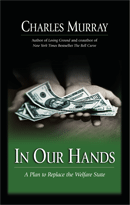
no matter who the new austrian chancellor will be, I recommend him to read charles murray´s "in our hands". the book is a plan to replace the welfare state. sounds utopian? well, sooner or later we will have to face the problems created by our welfare system anyway.
charles murray´s short statement of the argument goes like this: "America´s population is wealthier than any in history. Every year, the American government redistributes more than a trillion dollars of that wealth to provide retirement, health care, and the alleviation of poverty. We still have millions of people without comfortable retirements, without adequate health care, and living in poverty. Only a government can spend so much money so ineffectually. The solution is to give the money to the people."
murray slates to give every american age 21 and older $10 000 a year for life. no other welfare measures would be available. the "plan", as he calls it, would be the end for social security, medicare and all other "income transfer programs". the result should be a prosperous society with poverty and unemployment reduced to the minimum.
I am not going to judge on the strengths and weaknesses of his proposal here - murray himself is aware that his plan is far from becoming implemented policy. but on the same token it is another good reminder of why it is important to keep our government from throwing money down the drain.
charles murray: "in our hands - a plan to replace the welfare state". AEI press. american enterprise institute for public policy research. washington, d.c. 2006.
Monday, October 02, 2006
der tag nach der wahl...
... bringt drei kurze mitteilungen:
zum wahlergebnis habe ich den politologen franz fallend von der uni salzburg befragt. das interview kann man hier anhören.
außerdem war dendemann letzten freitag in salzburg. gut, das hat jetzt nicht unmittelbar was mit politik zu tun - trotzdem kam ein interessantes interview zustande, zu hören am 4. oktober ab 21.00 Uhr in der Radiofabrik. eine kleine geschichte gibt es auch.
zur wahl selbst kann ich mir einen kommentar wohl sparen. im oben genannten interview werden einige interessante aspekte aufgegriffen und nach X spezial zeit im bild und vorgezogenen reporten im orf, mit noch mehr interviews von noch mehr politologen, scheint erstmal alles gesagt zu sein. schwarz-grün kann ich mir jedenfalls an den hut stecken.
zum wahlergebnis habe ich den politologen franz fallend von der uni salzburg befragt. das interview kann man hier anhören.
außerdem war dendemann letzten freitag in salzburg. gut, das hat jetzt nicht unmittelbar was mit politik zu tun - trotzdem kam ein interessantes interview zustande, zu hören am 4. oktober ab 21.00 Uhr in der Radiofabrik. eine kleine geschichte gibt es auch.
zur wahl selbst kann ich mir einen kommentar wohl sparen. im oben genannten interview werden einige interessante aspekte aufgegriffen und nach X spezial zeit im bild und vorgezogenen reporten im orf, mit noch mehr interviews von noch mehr politologen, scheint erstmal alles gesagt zu sein. schwarz-grün kann ich mir jedenfalls an den hut stecken.
Sunday, October 01, 2006
der kurier gibt wahl-tipps
so, meine stimme habe ich abgegeben, das wäre also auch erledigt - und beim nachhause gehen habe ich mir den kurier, äh, besorgt. der gibt auf seite 1 hervorragende wahl-tipps, um die besatzung eines wahllokals in aufruhr zu versetzen:
- Stocknüchtern, aber mit einem Doppler in der Hand die Bipa-Kundenkarte als Ausweis vorlegen.
- Vor Betreten der Wahlzelle neben dem Bleistift auch zwei Radiergummis verlangen.
- In der Wahlzelle laut und vernehmlich telefonieren: "Heast, is der BZÖ jetzt des mitn Strache?"
- Mehrfach wegen Fehlversuchen einen neuen Stimmzettel verlangen.
- Oder den leeren abgeben und sagen: "Ich muss mir´s noch überlegen, ich komm' morgen wieder."
- Sich in der Wahlzelle entkleiden und das Gewand wie über einen Paravent werfen.
- Wahlbeisitzer und Wähler mit dem Handy fotografieren.
- Bitterlich weinend den Wahlzettel vor dem Einwerfen in die Urne in kleine Stücke zerreissen.
Danke Kurier, lange nicht mehr so gelacht. Leider war ich zu feig, um einen der Vorschläge auch auszuprobieren.
- Stocknüchtern, aber mit einem Doppler in der Hand die Bipa-Kundenkarte als Ausweis vorlegen.
- Vor Betreten der Wahlzelle neben dem Bleistift auch zwei Radiergummis verlangen.
- In der Wahlzelle laut und vernehmlich telefonieren: "Heast, is der BZÖ jetzt des mitn Strache?"
- Mehrfach wegen Fehlversuchen einen neuen Stimmzettel verlangen.
- Oder den leeren abgeben und sagen: "Ich muss mir´s noch überlegen, ich komm' morgen wieder."
- Sich in der Wahlzelle entkleiden und das Gewand wie über einen Paravent werfen.
- Wahlbeisitzer und Wähler mit dem Handy fotografieren.
- Bitterlich weinend den Wahlzettel vor dem Einwerfen in die Urne in kleine Stücke zerreissen.
Danke Kurier, lange nicht mehr so gelacht. Leider war ich zu feig, um einen der Vorschläge auch auszuprobieren.
Wednesday, September 27, 2006
what do swedes think? (2)
I asked my swedish friends about their thoughts on the recent elections in their homecountry.
mans ramberg from vaxjo has something to say:
"I voted for the center party for a number of reasons. A) They are proposing big changes in the current system of labor laws for the young, which will hopefully make for a more flexible labor market for people my age. B) They have the most consistent EU-policy in my eyes, with exciting ideas about federalism and restructuring of that old dragon. This is true about their ideas for the swedish system as well. Under the new government we can hopefully see the abolishment of such silly ideas as the pharmacy monopoly and other remnants of the social democratic centralistic state. C)They are the most honest of the right wing parties of today. They are consistent in most of their questions and do not follow populist tracks as so many of their co-operators as well as opponents.
There are more reasons, but I would say those are my top ones. When it comes to the election in general, I must say that I am very torn personally. My friend Henrik who is an electrician commented on the election night: "It's a dark day for the swedish workers". To hear that and then see brat-kids from the rights youth movements dance on the street leaves me wondering where I really stand. I do hope and wish that the policies that I vote for will be for the benefit of the weaker in society, but I wonder if my elected politicans think the same. I am feeling the class dimension more than ever.
One thing that worries me a lot is the relative good result for the xenophobic party Sverigedemokraterna in different parts of Sweden. I was hoping that they would never grow above 1 percent, and the current situation tells a lot about the undercurrents and tensions thet has been hidden for a number of yaers but now seem ready to show their ugly face."
mans ramberg from vaxjo has something to say:
"I voted for the center party for a number of reasons. A) They are proposing big changes in the current system of labor laws for the young, which will hopefully make for a more flexible labor market for people my age. B) They have the most consistent EU-policy in my eyes, with exciting ideas about federalism and restructuring of that old dragon. This is true about their ideas for the swedish system as well. Under the new government we can hopefully see the abolishment of such silly ideas as the pharmacy monopoly and other remnants of the social democratic centralistic state. C)They are the most honest of the right wing parties of today. They are consistent in most of their questions and do not follow populist tracks as so many of their co-operators as well as opponents.
There are more reasons, but I would say those are my top ones. When it comes to the election in general, I must say that I am very torn personally. My friend Henrik who is an electrician commented on the election night: "It's a dark day for the swedish workers". To hear that and then see brat-kids from the rights youth movements dance on the street leaves me wondering where I really stand. I do hope and wish that the policies that I vote for will be for the benefit of the weaker in society, but I wonder if my elected politicans think the same. I am feeling the class dimension more than ever.
One thing that worries me a lot is the relative good result for the xenophobic party Sverigedemokraterna in different parts of Sweden. I was hoping that they would never grow above 1 percent, and the current situation tells a lot about the undercurrents and tensions thet has been hidden for a number of yaers but now seem ready to show their ugly face."
Tuesday, September 26, 2006
home sweet dome
from the website of the new orleans saints:
"The Saints put the icing on the cake Monday night, and it sure was sweet. In the days leading up to their emotional return to the Louisiana Superdome, veteran wide receiver Joe Horn said that the game would be a win for the city and people of New Orleans whether or not the Saints came out on top against the Atlanta Falcons but they wanted to put the icing on the cake by beating their NFC South rivals and running their record to 3-0."
word up, go saints!
"The Saints put the icing on the cake Monday night, and it sure was sweet. In the days leading up to their emotional return to the Louisiana Superdome, veteran wide receiver Joe Horn said that the game would be a win for the city and people of New Orleans whether or not the Saints came out on top against the Atlanta Falcons but they wanted to put the icing on the cake by beating their NFC South rivals and running their record to 3-0."
word up, go saints!
Sunday, September 24, 2006
the road race

last day of the uci road worldchampionships 2006 in salzburg. the road race takes place, more impressions after the jump.
continue
Thursday, September 21, 2006
uci road worldchampionships in salzburg

road cycling is big in my hometown these days, here are some random impressions from today´s single time trial. 51 kilometers through salzburg and its outskirts.
continue
Wednesday, September 20, 2006
what do swedes think?
I asked my swedish friends about their thoughts on the recent elections in their homecountry.
sara ardic from norrköping is the one to start:
"I think a lot of people voted for the right simply cause they want a change for the country, not necessarily cause they're so unhappy with the state of the country. We've had the same part governing the counntry for a long time. Alo, the right have tried to change their image into the new working class party.... we'll see about that.
I voted for the socialdemocrats simply cause I feel they're more in the line with my values - that everyone should be taken care of. I'm both curious about what will happen with the new government, have to admit it is a bit exciting , but I have to say I´m a bit nervous too."
sara ardic from norrköping is the one to start:
"I think a lot of people voted for the right simply cause they want a change for the country, not necessarily cause they're so unhappy with the state of the country. We've had the same part governing the counntry for a long time. Alo, the right have tried to change their image into the new working class party.... we'll see about that.
I voted for the socialdemocrats simply cause I feel they're more in the line with my values - that everyone should be taken care of. I'm both curious about what will happen with the new government, have to admit it is a bit exciting , but I have to say I´m a bit nervous too."
Tuesday, September 19, 2006
it changes...
I love to read johan norberg´s blog, you know that already. and I love his analysis about swedish politics. so, of course, he is happy about the outcome of the elections - on monday he writes:
"At last Göran Persson has resigned. And the mood on Stockholm´s streets (where the social democrats have collapsed) is a little more open and free. When I took the bus earlier today the bus driver didn´t charge me and just waived me through with a big smile."
unfortunately, bus drivers are not celebrating by giving passengers a lift for free:
"Woops. I thought that the bus driver waived me through because he was happy with the election result. Imagine my double disappointment when I realised that this was because of a bus robbery on Sunday that made bus drivers afraid of handling cash..."
well. easy coming, easy going.
"At last Göran Persson has resigned. And the mood on Stockholm´s streets (where the social democrats have collapsed) is a little more open and free. When I took the bus earlier today the bus driver didn´t charge me and just waived me through with a big smile."
unfortunately, bus drivers are not celebrating by giving passengers a lift for free:
"Woops. I thought that the bus driver waived me through because he was happy with the election result. Imagine my double disappointment when I realised that this was because of a bus robbery on Sunday that made bus drivers afraid of handling cash..."
well. easy coming, easy going.
wahlkabine
heute bin ich in mich gegangen und habe versucht, die fragen der wahlkabine wahrheitsgetreu zu beantworten - dabei habe ich auch großen wert auf die gewichtung der fragen gelegt. das ist das ergebnis:

ginge man nach diesen ergebnis, würde es für mich wohl sinn machen "taktisch" zu wählen, um schwarz-grün eher zu ermöglichen. mangels einer liberalen alternative ist das wohl das kleinste übel.

ginge man nach diesen ergebnis, würde es für mich wohl sinn machen "taktisch" zu wählen, um schwarz-grün eher zu ermöglichen. mangels einer liberalen alternative ist das wohl das kleinste übel.
Sunday, September 17, 2006
chuck close
and for no special reason: self portrait of chuck close, as seen in laure´s room in paris. for all you art freaks out there nothing new, but I was stunned by the fact that it´s a painting and not a photograph.


us update for september
here´s the list of universities I am going to apply to for grad school:
university of alska fairbanks (first choice)
western washington university
portland state university
university of alska fairbanks (first choice)
western washington university
portland state university
Subscribe to:
Posts (Atom)